Mapping Community Resources Through Coffee
Part of being a bridger is respectfully expressing values and worldviews, while honoring the right of others to do the same (even when there's disagreement). The views and opinions expressed in this blog post are those of the author and do not necessarily reflect the official position, policies, or perspectives of Civic Bridgers. This content is intended to encourage thoughtful discussion and does not represent a formal statement on behalf of the organization.
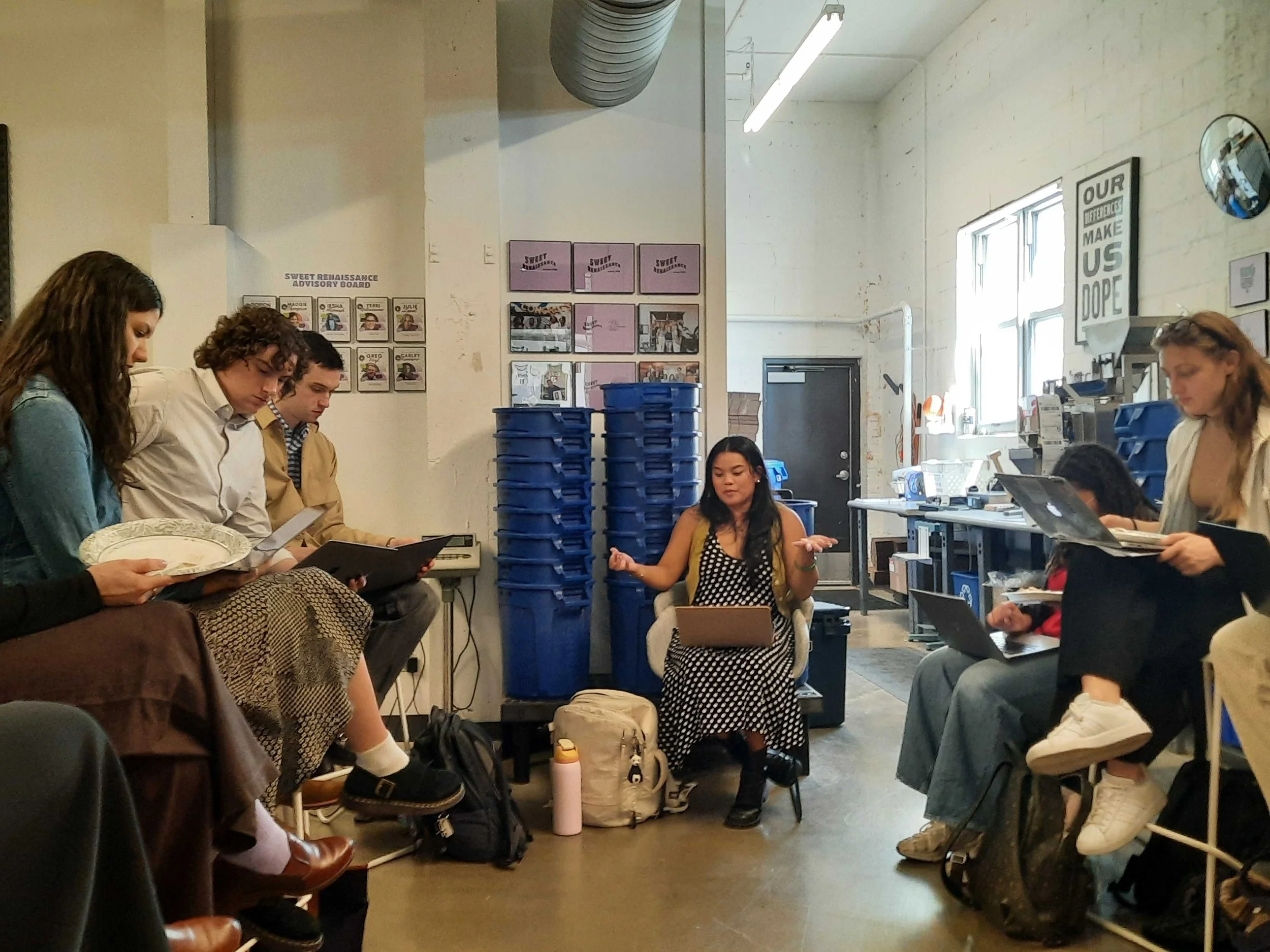
I hosted my practicum workshop on April 10th, 2026 in collaboration with Sweet Renaissance Coffee Academy (Sweet Ren), a workforce development program co-founded by Dogwood Coffee and Houston White Ventures. Sweet Ren aims to increase diverse representation in the coffee industry, equip participants with barista skills and knowledge, teach about the systems at work in a journey of seed to cup, and create a model that reinvests into its participants and greater community.
Jaclyn, Sweet Ren Program Director and Dogwood Director of People & Outreach, began by leading the Fellowship cohort through a guided tour of the Northeast Minneapolis Dogwood roastery: a homebase for Sweet Ren participants and alumni. Unroasted coffee beans sat in large bins, awaiting processing in huge metal contraptions that give it its signature brown color and fragrant aroma. Lining the walls were sacks of various coffee bean blends, some of which previous cohort members roasted themselves for their small businesses launched with the support of Sweet Ren. Jaclyn talked more about the roasting process, the history of Sweet Ren, and guiding tenets that are imbued into the program curriculum.
Then, I led discussions about why community kitchen models like Sweet Ren are successful, and why its uniqueness addresses persistent problems in the specialty coffee industry. Using Asset Mapping and the Community Kitchen Model frameworks to guide our activity, I launched into our applied practice component by taking inspiration from America’s Future Summit, a conference recently hosted by Civic Bridgers, to bring teens together to solve problems by using bridging framework. I had Fellows come up with ideas of what skills or goods they would propose in a barter system. Think: community garage sale where exchange is enabled not by money, but by mutual trades offered by community members. For example, in exchange for a fully tailored food concierge experience, I could receive free bike repair services from someone in the community that is an expert at them. The possibilities are endless, and also emphasizes the inherent value of community members without a capitalist lens. Everyone was able to “pitch” their proposal on an individual basis or on behalf of the services provided by their Host organization. We got to learn more about everyone’s hidden talents and interests (if you want a tarot reading, hit Maddie up!) and the important work that is being done in their communities.
Overall, we learned more about each other and the community resources that we all are connected to, bolstering our ability to bridge gaps at our own Host organizations and seek unique opportunities to create new connections.